Kansas City's Genesis: A Frontier Metropolis on the Brink of Transformation
Kansas City, in the opening years of the 20th century, presented a picture of burgeoning American enterprise. This Missouri River city, a focal point for railways and farming, pulsed with commercial activity and the contributions of a diverse immigrant populace. 1 Its location, bordering a "dry" Kansas since 1881, had already fostered a unique environment where one area became known as the "Wettest Block in the World," a precursor to the city's later, more notorious relationship with alcohol. 5 This early experience with cross-border liquor trade established networks and a local acceptance that would later be magnified during national Prohibition. What forces were at play beneath this veneer of commerce? Political machines were beginning to stir, organizing voter blocs and vying for control, a common feature of rapidly growing American urban centers of the period. 1
The city's saloons were more than just drinking spots; they were community hubs and grounds for political maneuvering. 1 These establishments, alongside developing forms of organized vice, represented an undercurrent that ambitious political operators would learn to harness. The diverse immigrant communities—Irish, Italian, German, and African American among them—were fundamental to the city's expansion. 1 Yet, these groups often faced economic hardship, making them organizable by political bosses who offered jobs, aid, and a form of representation. In return, these bosses received loyal support, a foundation upon which political empires could be constructed. Kansas City stood as a city of complexity and potential, unknowingly awaiting its transformation into the "Paris of the Plains," a town that would openly defy national laws, awash in whiskey and jazz, under the firm guidance of its political masters. 5 This setting prepared the ground for the political factions and powerful figures who would soon dominate its story.
Political Factions Emerge: The Goats and Rabbits Vie for Kansas City's Soul
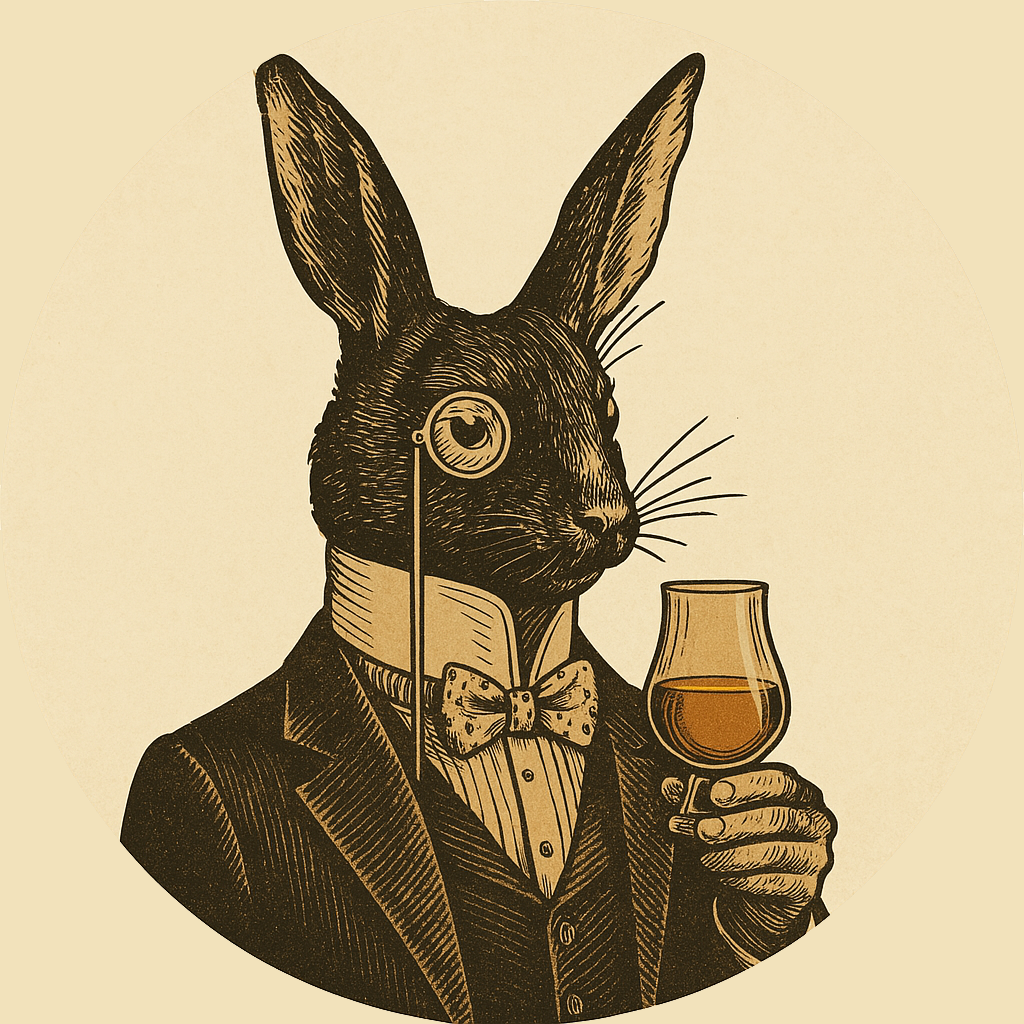
Political factions, specifically the "Goats" and the "Rabbits," came to dominate the landscape of early 20th-century Kansas City politics. These were not criminal gangs at their outset but rather organized political groups within the Democratic Party, fiercely competing for electoral wins, city and county jobs, and the associated power. 1 The animal names themselves were a practical tool: in an age of lower literacy, symbols like a goat for the Pendergast faction and a rabbit for Joe Shannon's followers helped voters identify candidates on ballots. 8 This simple visual aid spoke directly to a broad electorate. Anecdotes also tell of West Bluffs residents keeping pet goats, or Shannon gathering information from informants dubbed "rabbits," adding a layer of local lore to these political identities. 9
At the helm of the "Goats" was James "Jim" Pendergast, an alderman who meticulously built his power by cultivating relationships within Kansas City's Irish and wider immigrant communities. 1 He understood their needs and secured their loyalty, recognizing early the strategic value of saloons as social and political centers. 1 His own entry into politics was financed by winnings from a horse race, used to purchase his first saloon—a business that became a model for his family's blend of commerce and political influence. 1 His younger brother, Thomas "Tom" J. Pendergast, learned the intricacies of this world in Jim's West Bottoms saloon, mastering the art of controlling voting blocs. 1 Upon Jim's death in 1911, Tom took the reins, ready to expand the machine's influence. 1 Opposing them was Joseph "Joe" B. Shannon, leader of the "Rabbits," a formidable political boss in his own right, often described as a shrewder strategist than Jim Pendergast in political maneuvering. 1 Shannon, a U.S. Congressman from 1931-1943, advocated Jeffersonian Democratic ideals and notably clashed with the Pendergasts on issues like Prohibition. 9 The rivalry between these factions would shape Kansas City for decades, setting the stage for an era of unprecedented political control.
Methods of Power: Elections, Patronage, and Uneasy Alliances
The Goats and Rabbits employed multifaceted methods to build and maintain their power, with electoral politics serving as the primary battleground. This involved not only selecting candidates but also aggressive "get out the vote" efforts, which sometimes included "strong arm" tactics, voter intimidation, and bribery. 7 It was common for the factions to nominate competing candidates in Democratic primaries. A pragmatic arrangement often followed: the faction whose candidate lost would support the Democratic nominee in the general election, with an understanding that government patronage—jobs and contracts—would be divided, often on a "50/50" basis. 2 This "50-50 rule," initially brokered between Jim Pendergast and Joe Shannon, showed that their factionalism could be superseded by a shared interest in maintaining Democratic control over city resources. 1
Patronage was the lifeblood of these machines. By providing tangible benefits like city jobs, food, coal, and other aid, particularly to impoverished and immigrant communities, the factions cultivated deep loyalty and a reliable voter base. 1 This system, however self-serving, created a powerful bond of dependency. While rivals, the Goats and Rabbits sometimes formed uneasy alliances, as seen in their patronage agreements. 1 Yet, their competition could also be intensely personal, playing out in public forums and high-profile legal battles where attorneys like James A. Reed for the Goats and Frank Walsh for the Rabbits would clash dramatically. 11 This complex interplay of rivalry and cooperation defined their struggle for dominance.
Table 1: Key Figures and Their Primary Affiliations
NamePrimary Faction/AffiliationKey Role(s)Noted Involvement in Whiskey/Vice EconomyJames PendergastPendergast "Goat" FactionPolitical Boss, Alderman, Faction FounderSaloon owner; used saloon revenue to build political machine 1Tom PendergastPendergast "Goat" Faction / Pendergast MachinePolitical Boss, Faction LeaderControlled illicit alcohol trade during Prohibition; owned liquor-related businesses; protected speakeasies and gambling 5Joe ShannonShannon "Rabbit" FactionPolitical Boss, Faction Leader, U.S. CongressmanRival to Pendergast; clashed on issues including Prohibition 1Johnny LaziaPendergast Machine Operative / Organized Crime FigureMob Enforcer, Bootlegger, Head of North Side Democratic ClubSupplied bars with bootleg whiskey; ran gambling resorts; key link between Pendergast and underworld 14Charles CarrolloPendergast Machine Operative / Organized Crime FigureLazia's bodyguard/associate; later Kansas City Crime Family BossInvolved in bootlegging with Lazia; took blame for Lazia in a bootlegging arrest 14Henry McElroyPendergast MachineCity ManagerPendergast's right-hand man in city government; facilitated schemes benefiting the machine 3James A. ReedPendergast "Goat" Faction (politically aligned)Jackson County Counselor, Prosecutor, Mayor, U.S. SenatorBeneficiary of Pendergast support; opposed Prohibition 11Frank WalshShannon "Rabbit" Faction (politically aligned)AttorneyMouthpiece for the "Rabbits"; legal adversary to Reed and the "Goats" 11Joseph DiGiovanniKansas City Crime Family / Pendergast Machine (protected)Organized Crime Figure, BootleggerCo-founder of Kansas City Italian-American crime family; major bootlegger during Prohibition with Pendergast's protection 16Peter DiGiovanniKansas City Crime Family / Pendergast Machine (protected)Organized Crime Figure, BootleggerCo-founder of Kansas City Italian-American crime family; major bootlegger during Prohibition with Pendergast's protection 16
The ascent of Tom Pendergast would soon overshadow these earlier dynamics, leading to an era of singular machine rule.
"Boss" Tom Pendergast: Consolidating Power and Shaping a "Wide-Open City"
Tom Pendergast, following his brother Jim's death in 1911, began a methodical consolidation and expansion of their political machine, a process that would redefine Kansas City's governance. 1 Unlike many political figures who seek formal office, Tom Pendergast preferred to wield power from behind the scenes. From 1915, he operated as an unelected "boss," directing the formidable Jackson County Democratic Club from his headquarters, initially at the Jefferson Hotel. 1 His influence, rooted in Kansas City, soon extended throughout Jackson County and, remarkably, into Missouri state politics. The Pendergast machine played a role in electing governors and even U.S. Senators, most notably Harry S. Truman, whose early political career was tied to Pendergast's support. 1 By 1926, Pendergast's faction had effectively neutralized or absorbed its main rivals, including Joe Shannon's Rabbits, whose influence diminished under the relentless pressure of the ascendant Goats. 3 How did one man achieve such comprehensive control?
Pendergast's methods for sustaining and augmenting his control were both sophisticated and unyielding. Patronage remained a cornerstone. He distributed thousands of jobs through city contracts and ambitious public works projects, including the construction of landmarks like City Hall and the Municipal Auditorium, and the extensive paving of Brush Creek. 7 Pendergast himself, or his close associates, owned businesses that directly profited from these civic endeavors, most famously multiple concrete companies that were virtually guaranteed city contracts. 12 This system not only enriched Pendergast and his machine but also created a vast network of individuals and families beholden to him for their livelihoods. These public works, while providing employment and developing infrastructure, simultaneously functioned as a mechanism for graft, with the visible benefits often masking the systemic corruption that allowed the machine to siphon public funds. This intricate web of dependency and profit formed the bedrock of his enduring power.
The Mechanics of Machine Rule: Control, Corruption, and a City Unbound
Central to Pendergast's dominance was his firm control over city officials and law enforcement. He hand-picked figures in the city administration, such as City Manager Henry F. McElroy, who acted as his loyal lieutenant. 3 More pointedly, Pendergast exerted profound influence over the Kansas City Police Department. 3 This ensured that law enforcement would systematically ignore the machine's illicit activities and the burgeoning vice industries it protected. Pendergast's connections were reportedly so extensive that he could staff the police force with dozens of former convicts, further compromising its integrity. 15 This level of control transformed the police from enforcers of the law into protectors of the machine's interests.
Systemic corruption was the lubricant that kept the Pendergast machine running smoothly. Bribery of city officials was commonplace. 8 Kickbacks from city employees who owed their jobs to the machine, and from businesses seeking to operate without harassment, were standard practice. 3 Voter fraud, ranging from ballot stuffing to voter intimidation, was rampant during elections. 1 Businesses, both legitimate and illicit, often found it necessary to make regular payments to the machine simply to continue their operations. 10 It was under this umbrella of pervasive control that Tom Pendergast deliberately cultivated Kansas City into what became famously known as a "wide-open town". 5 With the advent of national Prohibition, Pendergast saw an opportunity, ensuring federal laws were largely ignored. Kansas City rapidly gained a national reputation as a place where alcohol flowed freely and gambling dens operated without fear. 5 This was a calculated strategy, generating enormous revenues and keeping a segment of the population content. A journalist, impressed by the city's vibrant atmosphere, dubbed Kansas City the "Paris of the Plains". 8 Throughout Prohibition, "Kansas City was the only major city that did not have a single felony arrest for the sale of alcohol," a stark illustration of the machine's dominion. 19 The machine's operations were deeply intertwined with organized crime, with key lieutenants like Johnny Lazia serving as conduits to the underworld. 12 Pendergast's significant gambling addiction likely fueled the machine's commitment to these lucrative illicit enterprises. 1 This environment set the stage for a unique chapter in the city's history with alcohol.
Prohibition's Reign: Whiskey, Speakeasies, and the Underworld in "Tom's Town"
Prohibition, ushered in by the 18th Amendment and the Volstead Act in January 1920, dramatically reshaped Kansas City's economic and social fabric. 5 Legitimate alcohol-related businesses, a significant part of the city's economy, were forced to close. Missouri, then the nation's second-largest wine-producing state, and Kansas City, with its substantial pre-Prohibition whiskey industry, felt this impact acutely. 5 Consider the story of J. Rieger & Co. Founded in 1887 by Jacob Rieger, it grew under his son Alexander to become the largest mail-order whiskey house in the United States, operating from Kansas City's "Wettest Block in the World". 5 With its popular tagline "O! So Good!" and over 100 alcoholic products, it was a major enterprise. 6 Prohibition compelled Alexander Rieger to shutter the business, a fate shared by countless breweries, wineries, and distilleries. 6
This abrupt closure of lawful avenues for alcohol created an enormous economic vacuum. Illicit entrepreneurs and organized criminal elements, operating under the Pendergast machine's protective umbrella, were eager to fill this void. The demise of established producers like J. Rieger & Co. also led to a dangerous consequence: the loss of quality control and the spread of hazardous "rotgut" whiskey concocted by amateur or unscrupulous bootleggers. 21 This shift directly endangered public health, as consumers faced harmful substances like improperly removed wood alcohol. Under Tom Pendergast's de facto rule, Kansas City transformed into the "Paris of the Plains," an oasis for those seeking to escape Prohibition's constraints. 5 Pendergast and the Goats "kept the libations flowing" by ensuring local police ignored the myriad nightclubs, casinos, and speakeasies openly serving alcohol. 8 Speakeasies proliferated, with estimates suggesting around 50 bars offering live music and spirits in the downtown core alone, operating with surprising openness. 5 The city's reputation drew visitors nationwide, eager to partake in its forbidden pleasures. 8 This defiance was about to become a hallmark of the era.
The Illicit Alcohol Trade: Sources, Methods, and Dangers
The illicit alcohol fueling Kansas City's vibrant, Pendergast-controlled nightlife came from various sources. Notorious figures like Al Capone were known to frequent the city, with some accounts suggesting Capone supplied bootlegged hooch and often stayed at the Rieger Hotel. 5 Tom Pendergast himself was rumored to have purchased the Pabst Brewing Depot, allegedly to facilitate bootlegging beer. 5 Bootleggers employed diverse methods. A common and dangerous practice was hijacking industrial alcohol, often denatured with toxic additives like wood alcohol. 21 Bootleggers would attempt to remove these poisons through crude redistillation, often unsuccessfully, resulting in hazardous "rotgut" whiskey that could cause blindness or death. 21
Others exploited loopholes in the Volstead Act, such as selling alcohol for "medicinal" purposes. 22 With a doctor's prescription, individuals could legally obtain limited quantities. Some Kansas City figures, like Milton Morris, began by selling alcohol from drugstores under this guise before opening more conventional speakeasies like the Rendezvous and the Hey Hay Club. 19 On a larger scale, organized crime groups, particularly the Italian-American syndicate led by the DiGiovanni brothers, established sophisticated operations for producing, importing, and distributing illegal alcohol, becoming primary suppliers for the city. 16 Speakeasies served as the main retail outlets. 5 Historic establishments like Fitzpatrick's Saloon (later The Majestic Restaurant's Jazz Club) operated successfully throughout Prohibition, largely due to favorable relationships with Boss Tom Pendergast. 5 The Pendergast machine effectively licensed and controlled these establishments, collecting "protection" payments. 3 This underground economy was complex and perilous.
Johnny Lazia: Pendergast's Link to the Underworld
At the nexus of the Pendergast machine and the city's underworld stood Johnny Lazia. Born Giovanni Lazzio, Lazia was an Italian immigrant who rose rapidly in organized crime. 14 By the early 1920s, he had moved from petty crime to organizing voters for Pendergast and, critically, "supplying bars with bootleg whiskey". 14 His close association with Pendergast provided the political protection necessary to flourish. By the late 1920s, Lazia was widely regarded as Kansas City's "supreme gang boss". 14 He headed the North Side Democratic Club, a Pendergast-affiliated organization that gave him sway in the Italian-American community. 14 His business interests, likely funded by criminal enterprises, included a soft drink company (a common front), upscale gambling resorts like the Cuban Gardens, and other ventures. 14
Lazia's power was tied to Tom Pendergast. He was a key machine affiliate, and their relationship was reportedly one of deep personal loyalty. 15 Pendergast utilized Lazia as a "mob enforcer," a link to the underworld who could manage the often-violent realities of bootlegging and vice. 11 This relationship between the ethnic organized crime figure and the Irish-American political boss was fundamental to the scale of illicit activity. Lazia handled street-level operations; Pendergast provided political cover. However, Lazia's prominence made him a target. His suspected involvement in the 1933 Union Station Massacre reportedly made him a liability for Pendergast. 14 With Pendergast's protection withdrawn, Lazia faced indictments for bootlegging, illegal gambling, and tax evasion. 14 His reign ended violently in July 1934, when he was gunned down. 14 The "wide-open" nature of Kansas City, while fostering vibrant nightlife and jazz, also drew unwelcome national attention, contributing to the scrutiny that would eventually bring down the machine. The city's reputation was a double-edged sword.
The Intertwined Destinies: Political Machines, Mobs, and the Whiskey Economy
Political machines and organized crime in Prohibition-era Kansas City shared a deeply intertwined destiny, particularly Tom Pendergast's "Goat" faction and the criminal elements managing the illicit liquor trade. The machine did not merely tolerate these activities; it actively provided the political cover and protection that allowed them to flourish. 3 In return, the machine received financial kickbacks, political support from communities involved in these enterprises, and the muscle of underworld enforcers. By controlling police, influencing courts, and managing city licensing, the Pendergast machine carved out a protected space for bootleggers, speakeasy proprietors, and gamblers, insulating them from legal repercussions. 3 This symbiotic relationship was the bedrock of "Tom's Town."
The nature of the "Goats" and "Rabbits" evolved. Initially political factions vying for conventional power 1, the "Goats," under Tom Pendergast, became enmeshed with criminal enterprises. While not a typical Mafia family, the Pendergast machine's methods mirrored those of a sophisticated criminal organization. It profited from organized crime, employed strong-arm tactics, and operated outside the law. 8 Through corruption, extortion of payments from businesses 10, and alliances with figures like Johnny Lazia, the Pendergast machine transcended being a mere political entity. It effectively became a form of organized crime using government structures for illicit enrichment and control. The line between political corruption and organized criminal enterprise blurred considerably. This transformation had profound implications for the city and its governance.
Ethnic Organized Crime and the Illicit Marketplace
Ethnic organized crime families played a central part in this ecosystem. The DiGiovanni brothers, Joseph "Joe Church" DiGiovanni and Peter "Sugarhouse Pete" DiGiovanni, Sicilian mafiosi who arrived around 1912, quickly established criminal operations. 16 Prohibition dramatically amplified their fortunes, as they emerged as the dominant bootlegging group. 16 Their enterprise, including the Mid-West Distribution Company, was reportedly "given virtually a free hand" by Tom Pendergast, indicating a direct partnership. 16 Investigative records from the period reveal individuals deeply involved in the liquor trade, many with ties to the Pendergast machine or its operatives. Figures such as Vincent Chiappetta, partner in the North Side Distributing Company and later Super Wines and Liquors; Joseph DeLuca, implicated in narcotics and Prohibition violations and owner of liquor stores; and James Balestrere, involved in bootlegging via the Kansas City Syrup Company with Charles Binaggio (a future crime boss), all exemplify the network of criminal entrepreneurs thriving under Pendergast's protection. 17
The illicit whiskey economy profoundly impacted both the Pendergast machine and Kansas City. Profits from illegal alcohol, gambling, and vice fueled the machine, solidifying its political dominance and enriching its leaders. 3 This revenue allowed Pendergast to maintain his patronage network, fund campaigns, and secure official loyalty. Beyond the machine, this era shaped Kansas City's national reputation as a vibrant, notorious center of jazz and uninhibited nightlife. 4 The success of this illicit economy was partly underwritten by an unspoken social contract. The Pendergast machine provided tangible benefits—jobs, social services, and access to alcohol and entertainment. 1 In return, many Kansas Citians tolerated its corrupt rule. This public acquiescence was a component in the machine's longevity. The end of Prohibition would test the adaptability of these intertwined entities.
Transition to Legality: Post-Prohibition Fortunes
The end of Prohibition in 1933 did not terminate the fortunes amassed during the "dry" years. Many individuals and companies central to bootlegging strategically transitioned into the newly legal liquor market. Vincent Chiappetta's involvement in the Super Wines and Liquors Company, the DiGiovanni brothers' continued operation of the Mid-West Distribution Company, and Tom Pendergast's own T.J. Pendergast Wholesale Liquor Co. and other beverage concerns like Atlas Beverage Company and City Beverage, illustrate this shift. 3 The capital, networks, and market expertise gained during the illicit era provided these former bootleggers with a competitive advantage. This allowed them to legitimize their Prohibition profits and entrench their wealth and influence in the post-repeal economy. The skills honed in the shadows proved valuable in the light of legal commerce. This adaptation speaks to the resilience and business acumen of those who had thrived outside the law.
The story of these political and criminal enterprises was, however, heading towards a dramatic reckoning.
The Unraveling: The Fall of Pendergast and the End of an Era
Pendergast's machine, despite its seemingly unassailable grip on Kansas City, was not destined to last. The very brazenness of its corruption and its open defiance of federal law eventually sowed the seeds of its own destruction. Mounting pressure from federal authorities, spurred by blatant electoral fraud and increasingly visible ties to violent organized crime, began to tighten the figurative noose around Tom Pendergast. The shocking scale of vote rigging in Kansas City elections led to numerous federal investigations and, eventually, 287 convictions, exposing the systemic manipulation at the heart of Pendergast's political power. 1 High-profile criminal events, such as the 1933 Union Station Massacre, which implicated Pendergast associate Johnny Lazia, cast an unwelcome national spotlight on Kansas City's underworld and its political protectors, making figures like Lazia a dangerous liability. 14
A pivotal turning point came with the actions of Missouri Governor Lloyd C. Stark. Ironically, Stark was a politician whose rise to the governorship in 1936 had been supported by the Pendergast machine. 7 However, driven by his own political ambitions, which included a desire for Harry S. Truman's U.S. Senate seat (Truman being Pendergast's most prominent protégé), Stark turned against his former benefactor. 7 He actively encouraged and facilitated federal investigations into the machine's activities, a betrayal that proved instrumental in Pendergast's downfall. This move highlights the often-transactional nature of political loyalties within such machines, where personal ambition could easily override past allegiances. The foundation of Pendergast's empire began to show cracks.
Federal Intervention and the Machine's Collapse
The decisive blow came from federal investigations into a massive insurance scam and Pendergast's personal finances. Investigators uncovered evidence that Pendergast had accepted a bribe of $750,000 (a sum that included $315,000 from fire insurance companies) to use his influence to settle a rate dispute between Missouri and various insurance companies in their favor. 4 This illicit income, coupled with years of untaxed earnings from his machine's myriad corrupt dealings, led to a federal indictment for income tax evasion in April 1939. 1 Faced with overwhelming evidence, Tom Pendergast pleaded guilty in May 1939. 1 He was sentenced to 15 months in the federal penitentiary at Leavenworth, Kansas, and ordered to pay substantial fines and back taxes, totaling around $841,000. 1
With its leader imprisoned and its pervasive corruption laid bare, the Pendergast machine rapidly crumbled. The fall of "Boss Tom" marked the definitive end of Kansas City's era as a "wide-open town." While corruption did not vanish overnight, the overt, centralized, machine-controlled system of vice and illicit enterprise was dismantled. 7 Key underworld figures like Johnny Lazia had already met violent ends years earlier. 14 Other organized crime elements, such as the evolving DiGiovanni/Civella crime family, were forced to adapt to a new, less permissive political environment, continuing their operations more clandestinely. 16 The legacy for those associated with Pendergast was complex. Harry S. Truman, despite his undeniable political debt to Pendergast, managed to navigate the fallout, eventually becoming President. Truman publicly distanced himself from the convicted boss but privately maintained loyalty, attending Pendergast's funeral in 1945 and stating, "He was always my friend and I have always been his". 1 Pendergast's downfall was primarily a consequence of federal intervention, as local reformers lacked the power to dismantle such an entrenched organization. 14 This federal action underscored the role of national oversight when local institutions become thoroughly compromised. 7 The city was now poised to enter a new chapter, but the memory of this period would linger.
The Enduring Legacy: Kansas City's Tumultuous Past and Its Echoes Today
Kansas City's history is profoundly marked by the story of the "Goats" and "Rabbits," and particularly by Tom Pendergast's political machine. These factions, born from the competitive environment of early 20th-century urban politics, shaped the city's development in lasting ways. The Pendergast machine, in its ascent, left an indelible mark on Kansas City's physical infrastructure through ambitious public works projects. Simultaneously, it molded the city's social fabric through an extensive system of patronage and the calculated control of vice. Its influence extended far beyond local boundaries, casting Kansas City into the national spotlight as the "Paris of the Plains," a city synonymous with Prohibition-era defiance and a freewheeling spirit. What can be learned from this complex period?
Central to this narrative is the undeniable impact these political dynamics had on Kansas City's whiskey scene. The Pendergast machine did not merely tolerate the illicit alcohol trade; it actively created and sustained the conditions under which it could flourish. This made the city a unique case study in the interplay of governance, crime, and public demand during Prohibition. This era bequeathed a complicated legacy: a period of remarkable cultural vibrancy, especially the blossoming of Kansas City jazz 4, which was paradoxically nurtured in nightclubs and speakeasies funded by an economy of deep-seated corruption. The machine's ability to provide jobs and social services, alongside access to desired vices, fostered a degree of public tolerance that was instrumental to its longevity. 1 The saga offers broader insights into 20th-century American urban history, illustrating how democratic processes can be subverted by organized political entities exploiting socio-economic vulnerabilities and corrupting governmental institutions. 1 The Pendergast machine's operations demonstrate a comprehensive breakdown of democratic checks and balances.
The Prohibition era in Kansas City, as orchestrated by Pendergast, also highlights the often contradictory outcomes when widespread public demand meets repressive laws and corrupt governance. The illegality of alcohol, combined with machine protection, fueled the economic engine for a unique cultural efflorescence, particularly in music. 4 This serves as a reminder that periods of significant social and political dysfunction can, at times, coexist with or even foster unexpected forms of cultural creativity. Ultimately, the dismantling of the Pendergast machine, largely by federal authorities 1, underscores the value of a multi-layered governance system. When local institutions become thoroughly compromised, federal oversight can serve as a corrective mechanism. The echoes of this tumultuous past continue to resonate. The name "The Goat Brewing Co." explicitly honors Pendergast's faction and the city's Prohibition-defying history. 8 Modern establishments adopt speakeasy themes. 5 Perhaps most symbolically, J. Rieger & Co., the whiskey house shuttered by Prohibition, has been revived, its modern iteration reflecting the enduring allure of Kansas City's rich and often notorious history with spirits. 6 The tale of the Goats, Rabbits, and Boss Tom Pendergast remains a compelling account of power, corruption, and the enduring human spirit.