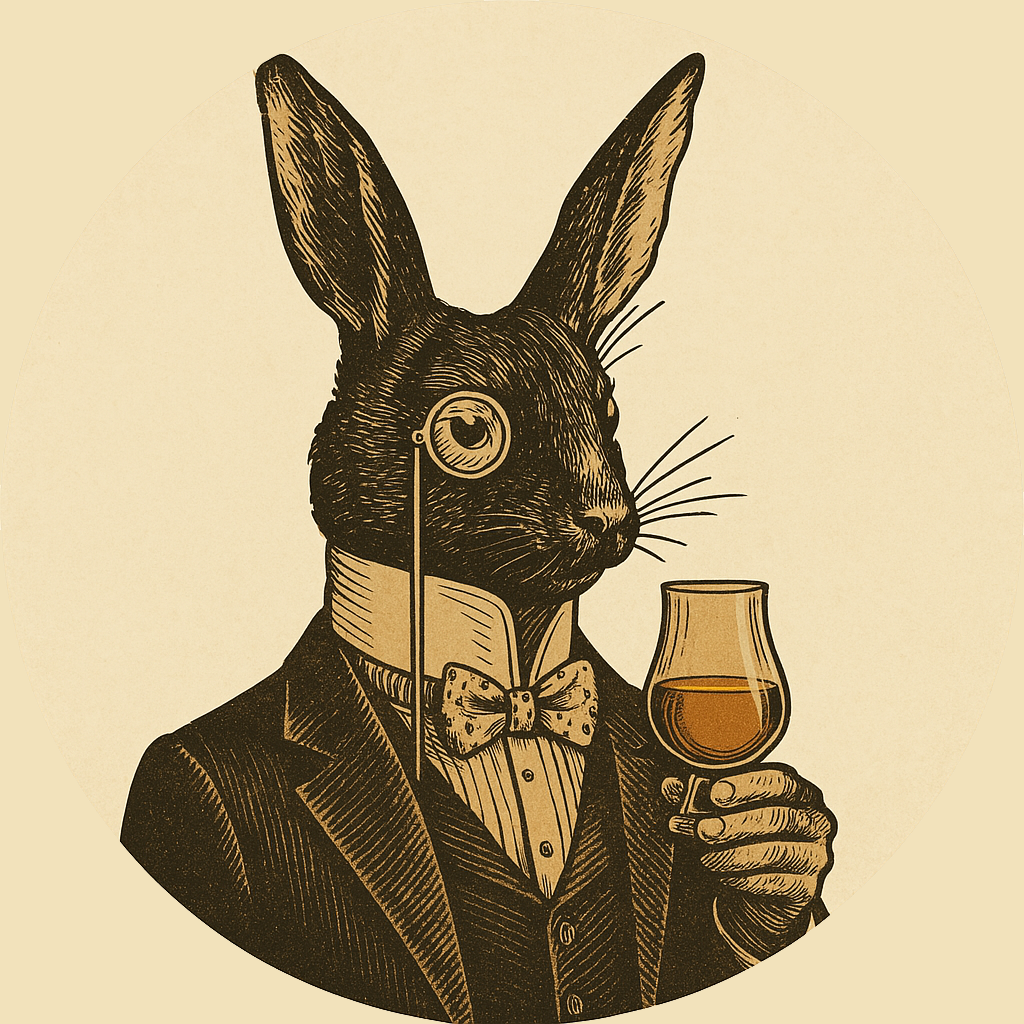
Vodka! It's the party chameleon, ready to mix, mingle and transform any cocktail into a fun night. Being a master shape-shifter, vodka is famous for taking on the taste of whatever it's mixed with, making it a favorite among drink crafters and fans.
But did you ever stop to think about how this see-through, tasteless drink gets from the farm to your glass? Get ready for an interesting story about the past, how it's made, and the rules that control the vodka world.
From small beginnings to today's complexity, this tale will reveal the hidden facts behind vodka and leave you thirsty for more.
Vodka's Early Beginnings and Growth
Vodka's roots reach back to the countries of Northern, Central, and Eastern Europe, where the first hints of this famous drink were found.
Over time, vodka recipes have changed, leading to the many flavors and types we have today.
In Eastern Europe, vodka is a big deal. It's been part of their parties, rituals, and daily life for hundreds of years. From Poland to Russia, vodka is a major part of their social life and customs. It's even helped shape their national identities.
Vodka continues to be a sign of friendliness, unity, and national pride in Eastern Europe.
How Vodka is Made Today
What new tricks and methods are used in making vodka today?
Improvements in distillation and the use of new ingredients are important in today's vodka making. Distillation methods have improved over time to make vodka better and purer. The process involves distilling many times, often using specific stills, to tweak the taste and make it clearer. This repeated distillation can make vodka with an alcohol level as high as 95-96%.
Also, vodka makers are now using different ingredients like grapes, rice, and sugar beets to make unique tastes. These new ingredients add layers and depth to the final drink.
Also, filtration is a big part of making vodka today, making sure any dirt or grime is removed, resulting in a pure and smooth drink.
With these improvements, vodka making today has reached new heights of skill and originality.
Rules and Disputes in the Vodka World
In the complex vodka world, there are rules and disputes that control the making, selling, and perception of vodka.
Vodka rules change from country to country, with the European Union setting a minimum alcohol content of 37.5% for vodka. In Canada, vodka must meet specific standards set by the Food and Drug Regulations. In the United States, vodka can't be aged in wood and must meet specific distillation and bottling rules.
These rules and disputes show the ongoing talks and arguments about the making, labeling, and social effects of vodka.