
Rye vs. Bourbon: What They Were Actually Drinking in the Old West
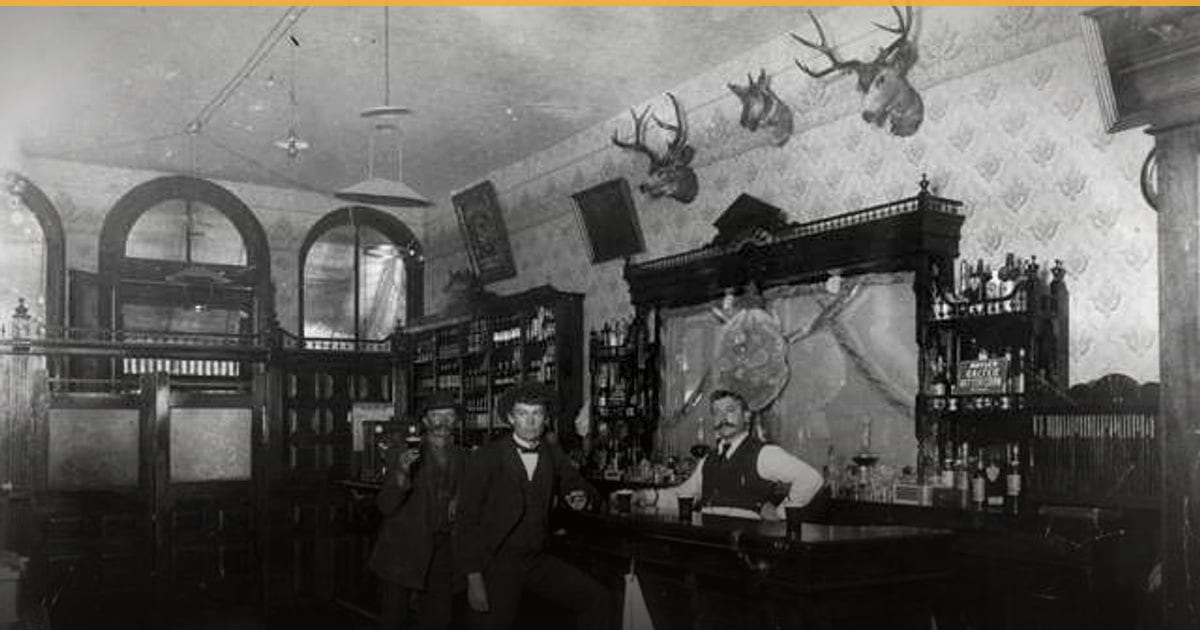
Picture the Western-movie saloon: the batwing doors, the piano, the barkeep sliding a glass of gleaming amber whiskey down the bar to a dusty cowboy. It's a great image. It's also, mostly, a costume. The whiskey in that glass — smooth, aged, golden, consistent — is a modern fantasy dressed up in period clothing. What the real frontier drank was rougher, younger, and a good deal less predictable, and a lot of it wasn't bourbon at all. It was rye.
This is the twelfth piece in our Kansas City whiskey history series, and it's the one that settles an old argument: rye or bourbon, and which one was actually in the Old West's glass.
The Actual Difference (It's Just the Grain)
Let's clear up the core distinction, because it's simpler than people think. Bourbon and rye are both American whiskeys made much the same way — the difference is which grain leads the recipe, the "mash bill."
- Bourbon must be made from a mash of at least 51% corn. Corn is what gives bourbon its characteristic sweetness — the vanilla, caramel, and rounded softness people love.
- Rye must be made from a mash of at least 51% rye grain. Rye brings the opposite personality: spice, pepper, a dry, sharp, herbal bite.
Both, to be labeled "straight," must be distilled to no more than 160 proof, aged in new charred oak barrels, and rested at least two years. Same family, same process — corn leans sweet, rye leans spicy. That's the whole feud in one sentence.
What the Frontier Actually Poured
Here's the myth-busting part. In early America, the dominant whiskey wasn't bourbon at all — it was rye. The distilling tradition of the young country was centered in the East, especially Pennsylvania and Maryland, where rye grew well and made a robust, spicy whiskey (the famous "Monongahela" rye). Rye was the American whiskey for the founding generations. Bourbon — the corn-based Southern style — rose later out of Kentucky as settlement pushed west into corn country.
So what would a Missouri saloon actually have poured around 1850? Honestly: whatever was around, and often not much like either polished modern category. As we covered earlier in this series, a great deal of frontier "whiskey" was young, raw, and "rectified" — doctored grain spirit with little or no barrel age, dressed up to sell. It could be corn-based or rye-based depending on what was local and cheap. The idea that every frontier drinker was sipping a carefully-aged, corn-sweet Kentucky bourbon is a Hollywood invention. The reality was rougher, more regional, and a lot more rye-forward than the movies suggest.
How Bourbon Won — and Rye Nearly Died
Over the late nineteenth and early twentieth centuries, aged Kentucky bourbon steadily became the American standard — helped along by the honesty guarantees of the Bottled-in-Bond Act (our last article) and by Kentucky's limestone water and corn-country abundance. Rye, the original American spirit, went into a long decline.
Then Prohibition nearly finished it off. When legal whiskey came back in 1933, the rye tradition had been gutted, and for most of the twentieth century rye was a near-forgotten relic, kept alive by a handful of brands and a few loyal old-timers and cocktail recipes. For decades, if you asked for a rye, you got a funny look.
The Rye Revival
And then, in the twenty-first century, rye came roaring back — driven largely by the craft cocktail movement, which rediscovered that classic drinks like the Manhattan and the Old Fashioned were often built for rye's spice, not bourbon's sweetness. Bartenders wanted the backbone. Distillers answered. Today rye is not a relic but one of the most exciting categories in American whiskey — the first great American whiskey, reborn. (Missouri's own new distillers are in on it: several of the makers we've celebrated in this series bottle excellent ryes.)
Settle It Yourself: A Flight
The best way to end a rye-versus-bourbon argument is not to read about it — it's to taste it, side by side, and let your own palate vote. So let us build you a rye-and-bourbon flight, both from Missouri makers: a spicy, peppery pour like Tom's Town Straight Rye next to a sweeter, rounder Holladay Straight Bourbon. Same state, same care, opposite personalities — the whole feud, in two glasses, in front of you.
Taste the spice, taste the sweetness, and decide which side of the Old West you're really on. There's no wrong answer — there's just the one you like better, and the fun of finding out. Pull up a stool and run the experiment with us.
Next in the series — our finale: the cocktail comes west, and the drink in your hand turns out to have a frontier ancestor.